

Why a Strong Walkway Matters for Daily Safety
Safe walkways depend on solid concrete flatwork. A smooth, level surface helps people walk without trips, slips, or wobbling steps. It also helps water drain better and keeps strollers, bikes, and wheelchairs moving with less trouble. In places like Nampa, ID, a walkway that is poured and finished the right way can stay safer and last longer through daily use and changing weather.
Quick Answer
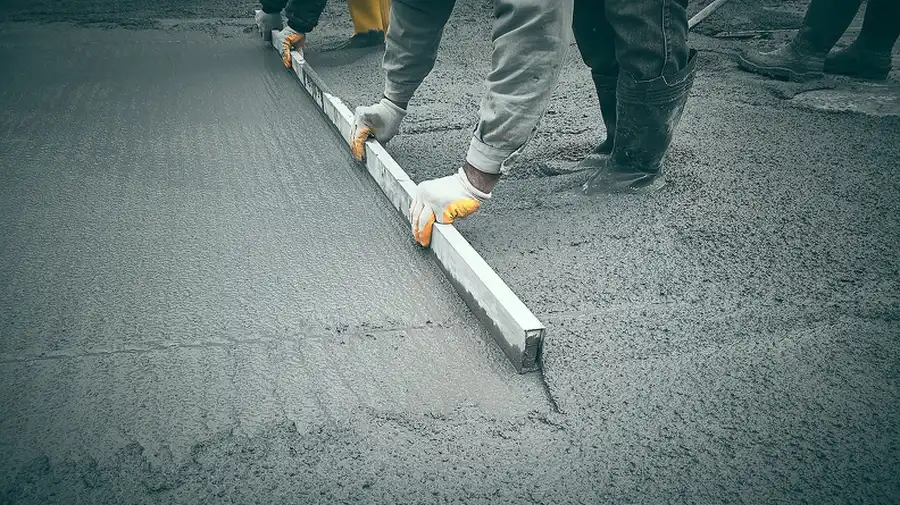
Concrete flatwork plays a big part in how safe and smooth a walkway feels. When the surface is level, strong, and finished with care, people can move across it more easily. Good flatwork also helps stop puddles, edge breaks, and raised spots. These small details matter at homes, schools, stores, and other properties where people walk every day.
What You Need Before Starting
Before any walkway work starts, it helps to know what the path needs to do. Some walkways handle light foot traffic. Others carry carts, bikes, or heavy daily use. The soil below the slab matters too. Soft or shifting ground can lead to cracks or sinking later. Planning for width, slope, drainage, and finish can make the walkway safer from the start.
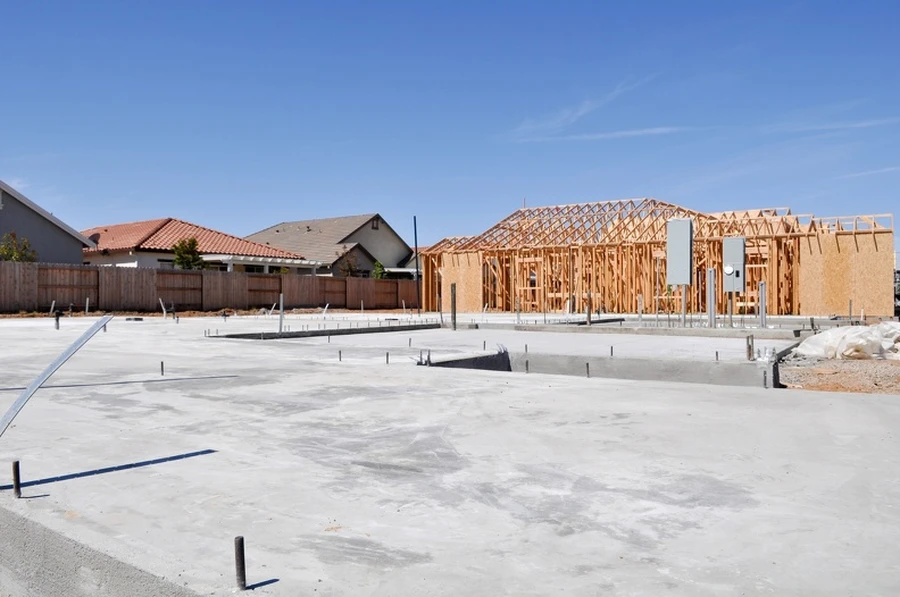
The service category keyword can also shape the plan, even if the job seems simple. A walkway is not just a strip of concrete. It is part of the full outdoor layout and should fit the grade, nearby landscaping, and drainage path.
Step-by-Step Process
A safe walkway usually follows a clear process from start to finish. Each step affects how smooth and long-lasting the surface will be.
- Mark the path and check the shape and width.
- Remove weak soil, grass, roots, or old broken material.
- Build and compact the base so the slab has support.
- Set forms to hold the right line and height.
- Plan the slope so water moves away from the surface.
- Pour the concrete and spread it evenly.
- Level and smooth the slab with the right tools.
- Add a finish with light texture for slip resistance.
- Cut control joints to help manage cracking.
- Let the slab cure before full foot traffic.
Each part matters. If the base is weak, the top can fail. If the slope is off, water may sit on the walkway. If the finish is too slick, the path can become risky when wet.
Common Mistakes to Avoid
Many walkway problems begin with skipped steps or rushed work. A path may look fine on day one but show trouble soon after. Poor concrete flatwork often leads to uneven spots, low areas, or rough edges that catch a shoe or wheel.
- Pouring over loose soil
- Making the walkway too thin
- Ignoring drainage
- Using a very smooth finish in wet areas
- Skipping joints
- Opening the walkway too soon
Another common mistake is forgetting who will use the path. A narrow or uneven walkway can be hard for older adults, children, or anyone using a cane, walker, or stroller. A safe path should feel easy to use, not awkward or risky.
When Walkway Safety Becomes a Bigger Issue
Not all hazards are easy to spot right away. A walkway can have small changes in height that become a trip point over time. Tree roots may lift one side. Water may wash soil away below the slab. Freeze and thaw cycles can also create movement that changes the surface year after year.
Watch for signs like these:
- Standing water after rain
- Cracks that keep getting wider
- One slab edge sitting higher than another
- Chipped corners or broken ends
- Slippery areas near shade or sprinklers
- Sunken sections near steps or driveways
These issues can turn a basic walkway into a safety problem. Early repairs are often easier than waiting until the damage spreads.
How Good Flatwork Supports Long-Term Use
Concrete flatwork is not only about appearance. It supports daily use over many years. A well-built walkway can guide foot traffic, protect nearby grass and soil, and create a cleaner path from one area to another. It also helps lower wear around entry points where people tend to gather.
Smooth does not mean slippery. The best walkway surfaces often have a clean, even finish with enough texture for grip. This balance helps in rain and helps cut down on small slips. It also makes cleanup easier when dirt, leaves, or mud collect on the path.
For homes, this can mean a safer route from the driveway to the front door. For businesses, it can mean a better walking surface for customers and staff. For shared spaces, it can help more people move around with less risk.
When to Call a Professional
Some walkway jobs are simple, but many need trained help. Large pours, sloped sites, drainage issues, and paths near steps or retaining areas call for careful planning. A professional can also check base depth, joint placement, surface finish, and water flow. That matters if the goal is a walkway that feels safe now and stays that way later.
It also helps to get expert help when replacing an old path with known trouble spots. If the same area keeps cracking or sinking, the problem may be below the surface. New concrete alone will not fix that. The base and drainage may need work first.
Final Recommendation
For a walkway to be safe and smooth, the full system has to work together. The base, slope, slab depth, finish, and curing time all play a part. Good concrete flatwork helps cut down on trip hazards, supports steady footing, and gives the property a cleaner, more finished look. If a path is uneven, aging, or being planned from scratch, getting the details right can make a real difference in everyday safety.
Get Help With Your Walkway Project
We help property owners in Nampa, ID build and improve walkways that feel safer and easier to use every day. At Flatstone Concrete LLC, we focus on solid concrete flatwork and practical results that fit real spaces. Call us at (208) 254-2202 to talk with our team about your next project.