

How to Stop Water From Pooling and Protect Your Driveway
If water sits on a driveway after rain, the problem usually comes from poor slope, blocked drains, low spots, or soil that does not move water away fast enough. Good drainage solutions for concrete driveways help water flow away from the slab, lower the risk of cracks, and keep the surface safer to walk and drive on. In places like Nampa, ID, heavy rain and yard slope can both affect how well a driveway drains.
Quick Diagnosis Summary
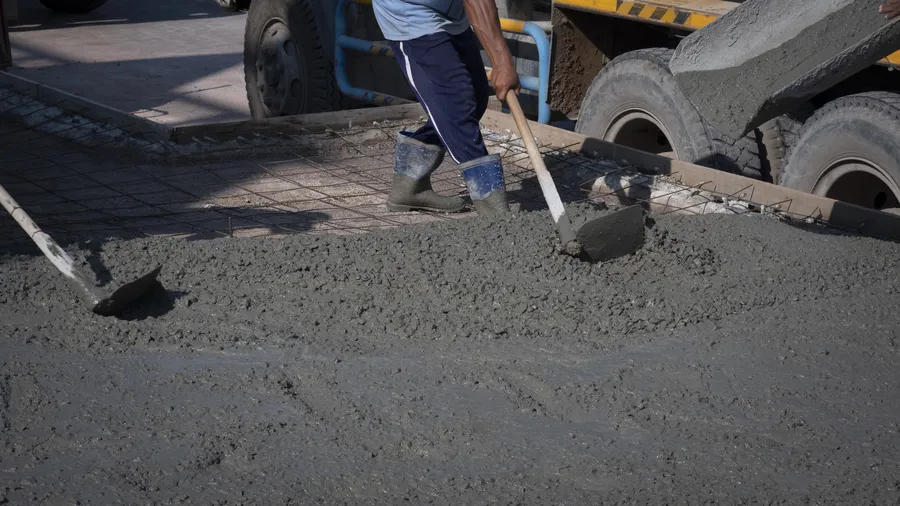
Most driveway drainage problems show up in simple ways. You may see puddles near the garage, water running toward the house, or wet soil along the edges for days after a storm. Some issues are small and can be fixed with cleaning or patching. Others point to a grading problem that may need help from a concrete driveway installation team or a drainage specialist. If the surface sits too flat, water has nowhere to go.
Common Symptoms
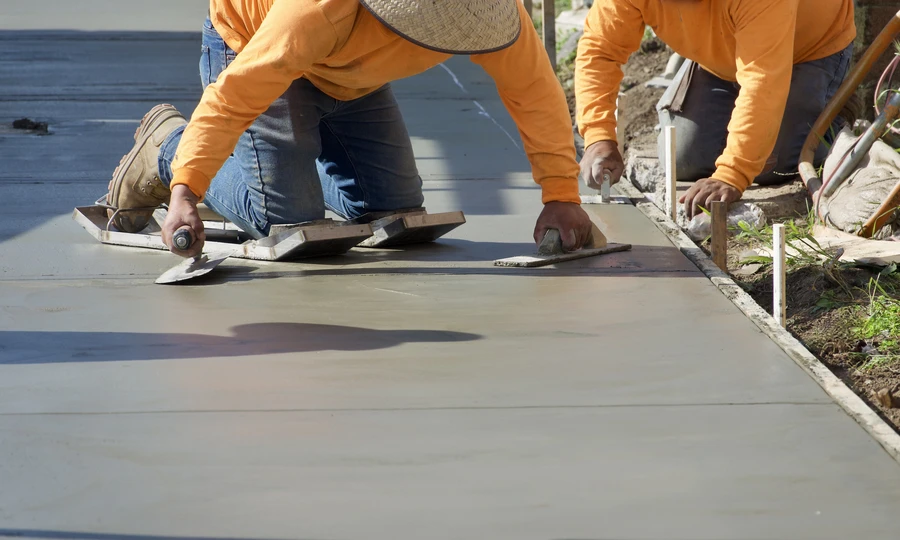
Drainage trouble often starts with signs that are easy to miss. A little standing water may not seem like a big deal at first. Over time, though, that water can wear down the surface and weaken the base below it. That can lead to sinking, cracks, and ugly stains.
- Puddles that stay longer than a day
- Water flowing toward the garage or walkway
- Dark stains from dirt, leaves, or mildew
- Cracks that keep getting wider
- Edges that chip or break apart
- Low spots in the middle of the slab
- Soil washout near the sides of the driveway
If you notice more than one of these signs, the driveway may need more than a basic cleanup.
Likely Causes
There are a few common reasons water does not drain well from concrete. One of the biggest is poor slope. A driveway should guide water away from the home, not toward it. If the slab was poured too flat, or if the ground shifted later, pooling can start.
Another cause is a clogged drain. Some driveways have trench drains or channel drains near the garage. Leaves, mud, and small rocks can block them. Then water backs up fast during rain.
Soil movement is another issue. Clay-heavy soil can swell when wet and shrink when dry. That movement can change the slab’s shape over time. In some cases, the problem ties back to the wider service category, where drainage, grading, and surface layout all need to work together. A concrete driveway installation done without enough planning for runoff can also create trouble later.
What to Check First
Before you plan a fix, check the simple things first. You do not need special tools for a basic review. Walk the driveway after rain and watch where the water goes. That gives you a clear picture of the problem.
- Look for puddles and mark where they form.
- Check if water flows toward the house.
- Clear leaves and dirt from any drain openings.
- Look along the edges for soil erosion.
- Use a level to see if the slab has enough slope.
- Check downspouts nearby to see where they empty.
Sometimes the real issue is not the driveway alone. A nearby gutter downspout may dump water right onto the slab. That extra flow can flood even a well-built surface.
Safe Fixes Vs Pro-Level Fixes
Some drainage fixes are safe for a homeowner to try. Cleaning a blocked channel drain is one example. Extending a downspout away from the driveway can also help. Filling a very small low spot with a repair product may work if the slab is still in good shape.
Other fixes need a trained crew. If the slab has settled, lifting or replacing sections may be the better move. If the slope is wrong across the full surface, patching one spot will not solve much. A pro may suggest regrading the area, adding a trench drain, cutting a swale into the landscape, or replacing part of the driveway with proper pitch. These jobs often connect back to concrete driveway installation because the surface and the base must both direct water the right way.
Trying a major fix without the right tools can make drainage worse. A bad patch can trap more water. A drain set too high or too low can also fail when the next storm hits.
Prevention Tips
The best way to deal with driveway drainage is to stop problems early. Water damage usually gets worse with time, not better. A few simple habits can help the driveway last longer and look better.
- Keep drains and grates clear of debris
- Clean gutters so overflow does not hit the slab
- Watch for new low spots after heavy rain
- Seal cracks before water gets below the surface
- Do not pile soil or mulch against driveway edges
- Make sure downspouts send water well away from the slab
- Have slope checked if pooling keeps coming back
It also helps to inspect the driveway during different seasons. A summer storm may show one issue, while winter freeze and thaw can reveal another. If water gets into small cracks, cold weather can make those cracks grow fast.
Final Recommendation
If your driveway has small puddles now and then, a simple cleanup or runoff change may be enough. If water sits often, flows toward the house, or comes with cracking and sinking, it is smart to get expert help. At Flatstone Concrete LLC, we can inspect the slope, drainage path, and slab condition to find the real cause. We help property owners in Nampa, ID choose practical repairs that fit the site. Call us at (208) 254-2202 if you want us to take a closer look and help plan the next step.