

How Strong Edges Help a Driveway Last Longer and Look Better
Proper edge design helps a driveway stay in shape, drain water better, and resist cracking along the sides. It also gives the surface a clean outline and helps support the weight of cars near the edges. In many cases, weak or missing edges lead to chipping, sinking, or spreading over time. Whether a homeowner is planning concrete driveway installation or checking an older surface, edge design plays a big part in how well the driveway holds up.
Quick Answer
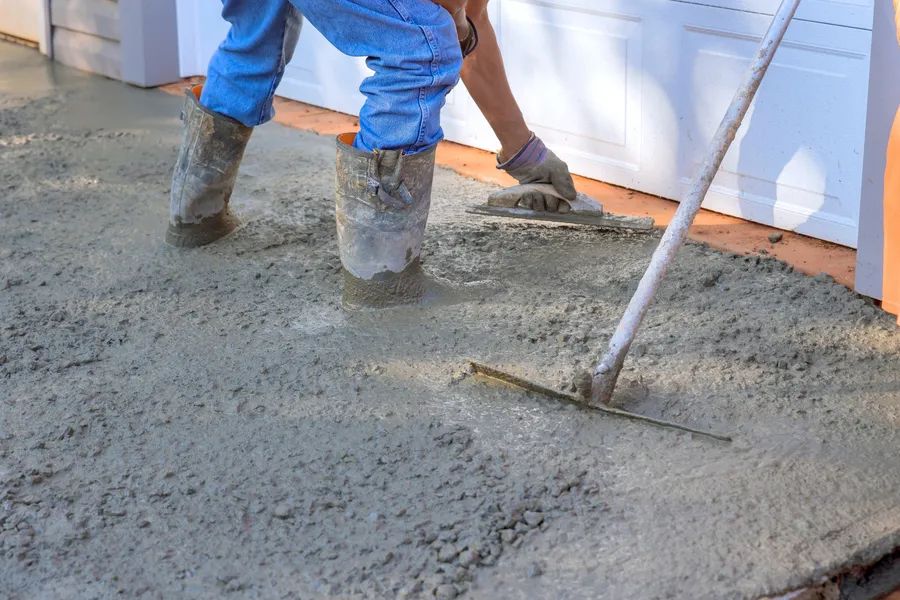
The main benefit of good edge design is support. A driveway does not just need a strong middle. It also needs stable sides. When the edges are built the right way, they help hold the slab in place, reduce breakage, and guide water away from the surface. Good edges also make mowing easier, keep soil from washing onto the driveway, and improve curb appeal.
What You Need Before Starting
Before any driveway work begins, it helps to look at the full layout. The width, slope, soil type, and traffic level all affect edge design. A narrow driveway used by one small car may need less reinforcement than a wide driveway used by heavy trucks. Drainage also matters. If water collects near the sides, the edges may weaken much faster.
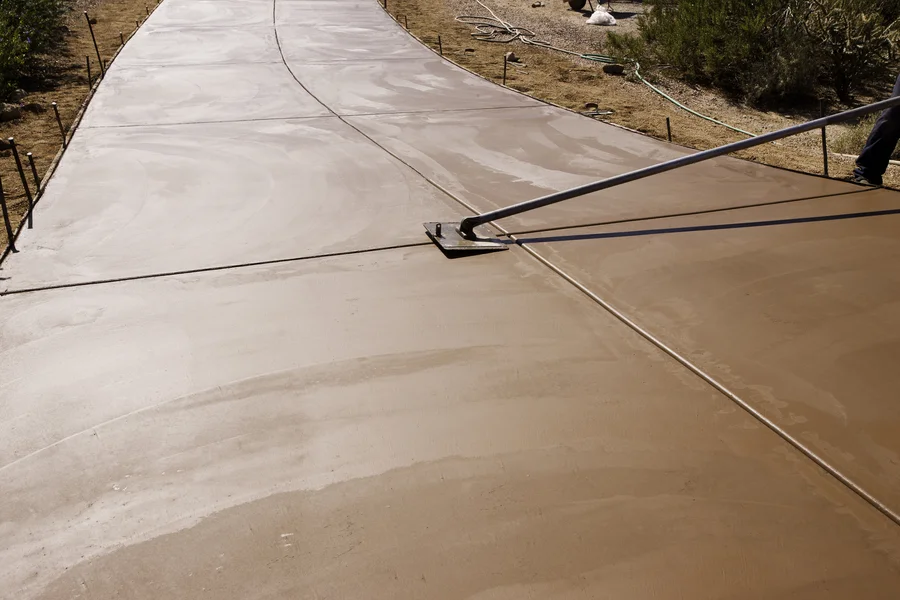
It is also smart to think about the border style. Some driveways use thickened concrete edges. Others use pavers, stone borders, or raised curbs. The right choice depends on the site and the goal. In many hardscape projects, the edge detail is what ties the whole space together and keeps materials from shifting.
Step-by-Step Process
A simple plan can help property owners understand how proper edge design is built into a driveway from the start.
- Check the soil and grade. Soft or loose soil near the sides can cause sinking.
- Plan the driveway width. Edges that are too close to tire paths often break.
- Create proper slope. This helps move water away instead of letting it sit.
- Prepare a solid base. The base should support both the center and the edges.
- Choose the edge type. This may be a thickened slab edge, curb, or border.
- Add reinforcement where needed. This helps the sides resist stress and movement.
- Finish the outside area well. Grass, gravel, or beds should not wash into the slab.
Each step supports the next one. If one part is weak, the edge may fail early even if the driveway surface looks smooth at first.
Common Mistakes to Avoid
One common mistake is making the driveway edge too thin. Thin edges can chip when a tire rolls too close to the side. Another mistake is poor base prep. Even a good slab can crack if the soil under the edge shifts after rain. Some people also forget about water flow. If downspouts or yard runoff drain right onto the edge, damage can build fast.
Another issue is poor support outside the slab. For example, if the driveway edge sits next to loose dirt that washes away, the side may end up hanging in the air. That makes the concrete more likely to crack under weight. Edge design is not only about the slab itself. It is also about what supports it from the outside.
When Good Edge Design Matters Most
Every driveway benefits from strong edges, but some situations need extra care. Sloped lots are one example. Water moves faster there and can wear away support near the sides. Wider driveways also need more planning, especially if cars turn sharply near the edges. Homes with limited parking may see more edge stress because people often drive or park close to the border.
Driveways near planting beds or lawns can also have problems if roots, moisture, or erosion affect the slab sides. In these cases, the right edge detail can help separate materials and keep the layout stable. It also gives the driveway a neat visual line, which helps the whole front yard look more finished.
Safe Fixes Vs Pro-Level Fixes
Some small edge issues can be watched or repaired early. Minor soil loss next to a driveway may be improved by filling and grading the area so water drains away. Small chips on the edge can sometimes be patched before they spread. Keeping heavy vehicles off weak areas also helps reduce damage.
But larger cracks, broken corners, sinking edges, or drainage trouble often need professional repair. If the slab has lost support or the original edge was built wrong, surface patching alone may not last. In those cases, a trained crew can inspect the base, slope, and slab condition to find the real problem. This is often the better path during concrete driveway installation because it helps avoid costly repairs later.
Prevention Tips
Good edge performance starts with smart planning and simple upkeep. These tips help reduce trouble over time:
- Keep water moving away from the driveway.
- Do not let tires roll off unsupported edges.
- Repair nearby erosion before the soil washes out more.
- Trim roots that may push against the slab border.
- Watch for small chips and cracks along the sides.
- Keep the base and surrounding grade stable.
These steps can add years to a driveway’s life. They also help protect the money spent on new work.
Final Recommendation
If a driveway is being planned or replaced, edge design should be part of the first conversation, not an afterthought. Strong, well-built edges help hold the slab together, protect against water damage, and improve the finished look. In Nampa, ID, local soil and drainage patterns can affect how much support the sides need. If questions come up about layout, repair, or concrete driveway installation, contact Flatstone Concrete LLC at (208) 254-2202. We can inspect the site, explain the options, and help us choose the right design for long-term results.