

Strong Surface Design Helps a Driveway Last Longer
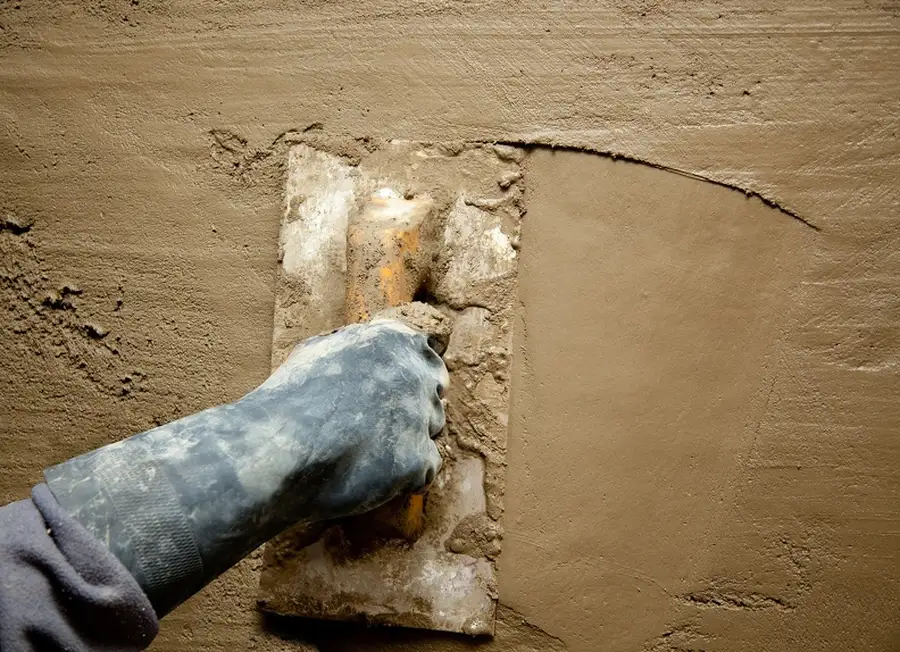
Concrete flatwork helps driveway durability by creating a solid, even surface that can handle daily traffic, weather changes, and heavy loads. When a driveway is planned and installed the right way, it is less likely to crack, sink, or wear out too soon. In places like Nampa, ID, this matters because driveways deal with sun, rain, and changing ground conditions over time.
What You Need Before Starting
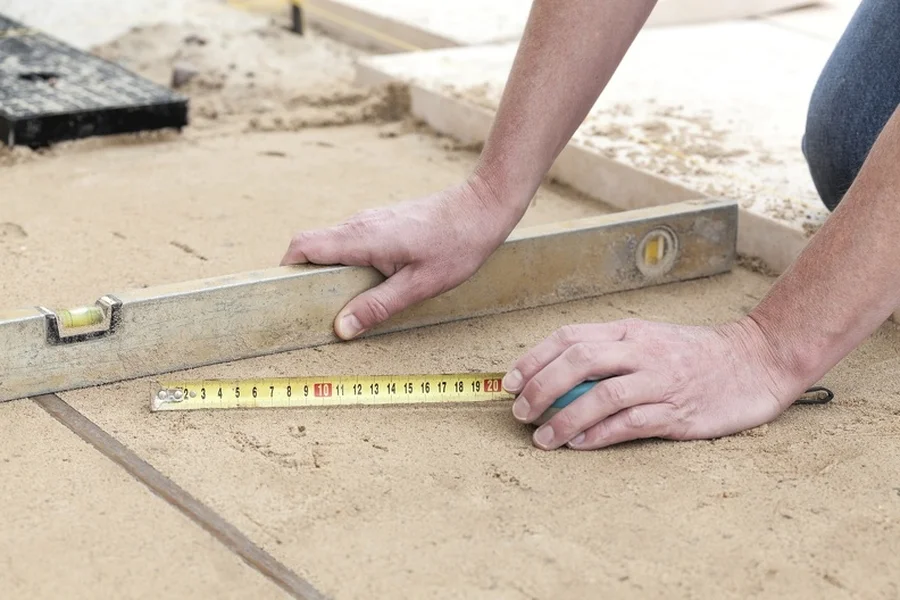
Before a driveway project begins, a few basics need attention. Good results start below the surface, not just on top. The soil must be stable. Water must drain away from the slab. The thickness of the concrete must match how the driveway will be used. A home with light car traffic needs one level of strength, while a driveway used by work trucks may need more support.
This is also where planning for the wider service category matters. A good concrete flatwork job often connects with site prep, grading, and other parts of the project. If these parts are skipped, the driveway can fail early even if the surface looks fine at first.
Step-by-Step Process
A durable driveway usually follows a simple process. Each step helps the finished slab stay strong for years.
- Clear the area and remove weak soil or old material.
- Grade the ground so water moves away from the driveway.
- Add and compact a strong base layer.
- Set forms to control the shape and thickness.
- Place reinforcement if the project calls for it.
- Pour the concrete and spread it evenly.
- Finish the surface for texture and safe traction.
- Cut control joints to help manage cracking.
- Let the slab cure long enough before regular use.
Each of these steps plays a part in strength. The base helps support weight. Proper drainage keeps water from sitting under the slab. Control joints give small cracks a planned path, which helps stop random damage across the driveway.
Common Mistakes to Avoid
Many driveway problems come from a few common mistakes. One big issue is poor base preparation. If the ground under the slab is soft or uneven, the concrete can settle and crack. Another mistake is pouring a slab that is too thin for the weight it will carry. A driveway may look fine at first, but heavy vehicles can cause stress fast.
Bad drainage is another problem. Water that pools on top or seeps below the slab can weaken the area over time. Skipping joints or placing them in the wrong spots can also lead to ugly cracking. And if the concrete dries too fast or is used too soon, the surface may not gain full strength.
- Do not pour over unstable soil.
- Do not ignore drainage slope.
- Do not rush curing time.
- Do not use the same design for every property.
When to Call a Professional
Some small surface issues can be easy to spot, but planning a durable driveway takes more than just pouring concrete. A professional should step in when the site has drainage problems, sloped ground, soft soil, or signs of past slab failure. Expert help also makes sense when the driveway needs to handle large trucks, trailers, or heavy daily use.
A trained crew can judge soil conditions, base depth, slab thickness, and joint layout. Those details are easy to miss, but they matter a lot. Good concrete flatwork is not only about a smooth finish. It is about building a slab that performs well year after year.
Why Proper Installation Improves Long-Term Durability
A driveway faces constant stress. Tires press down on it every day. Rain and sun wear on the surface. Ground movement below can shift support. Proper concrete flatwork helps control these forces. A level, reinforced, well-cured slab spreads weight better and resists damage longer.
Durability also means less upkeep. A strong driveway is less likely to need early patching or replacement. It can keep a cleaner look and safer surface for daily use. Homeowners often notice the difference over time. A driveway built with care tends to keep its shape, drain better, and hold up through normal wear.
This is why details matter so much. Thickness, base compaction, water control, and joint placement all work together. If one part is weak, the whole slab can suffer. If each part is done well, the driveway has a much better chance to last.
Final Recommendation
If you want a driveway that lasts, start with solid planning and quality concrete flatwork. Homeowners in Nampa, ID can benefit from a driveway built for local conditions and daily use. At Flatstone Concrete LLC, we help property owners choose practical solutions that support long-term durability. If you’d like to talk through your project, call us at (208) 254-2202 and we can help you take the next step.