

Uneven Floors Can Point to Bigger Problems
If your floor has dips, cracks, hollow spots, or areas that feel off under your feet, you may need concrete floor leveling. These signs often show up slowly, so they are easy to miss at first. A floor that is not level can lead to trips, tile damage, pooling water, and extra wear on your space. In many cases, the issue starts below the surface and gets worse over time.
Quick Diagnosis Summary
The main signs you need concrete floor leveling are sloping areas, low spots, cracks that keep coming back, doors that scrape, and water that sits in one place. You may also notice gaps under baseboards or flooring that feels loose. Some problems are cosmetic, but others point to settling or moisture trouble. If the floor feels uneven in more than one room, it is smart to take a closer look.
Common Symptoms
Many floor problems start with small clues. A chair may rock even when all its legs seem fine. A fridge may lean a little. A ball may roll across the room on its own. These are simple signs, but they often mean the slab is no longer flat.
Watch for these common symptoms:
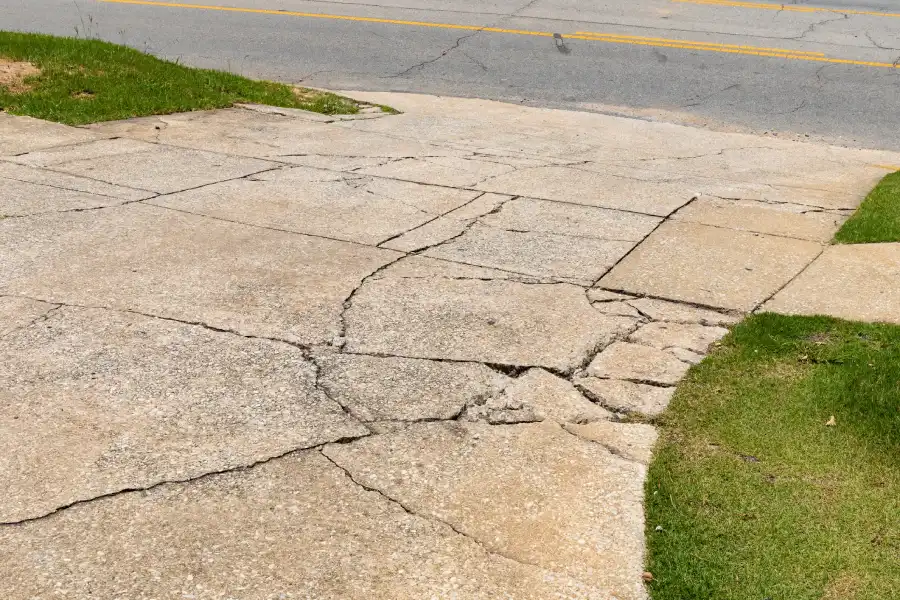
- Cracks in the floor or floor covering
- Dips or sunken areas
- Loose tile or cracked grout
- Water pooling after cleaning or rain
- Doors that stick near the floor
- Gaps between the floor and trim
- A bouncy or hollow feel in spots
If you notice more than one of these signs, the floor may need more than a simple patch. This is often where concrete floor leveling becomes the right fix.
Likely Causes
Uneven concrete can happen for a few reasons. One common cause is soil movement under the slab. When the ground shifts or settles, the concrete can sink or tilt. Water is another big cause. Too much moisture can wash away support below the slab or weaken the surface over time.
Poor installation can also play a part. If the base under the slab was not compacted well, the floor may settle later. Heavy loads in one area can add stress too. In garages, warehouses, and work areas, this can show up faster. Even old age can be part of the problem. Concrete wears down, and surfaces do not stay perfect forever.
While the service category keyword is not listed here, many property owners group this work under general slab repair or surface correction when looking for answers.
What to Check First
Before planning repairs, do a few simple checks. These can help you see if the issue is minor or something deeper. You do not need special tools for a basic review.
- Walk the area slowly and note any dips or soft spots.
- Set a level on the floor in a few places.
- Look for cracks that run long distances or branch out.
- Check for water stains or signs of moisture near walls.
- See if nearby doors or cabinets have shifted.
- Notice whether the problem is in one spot or across a larger area.
If the floor is only rough on top, a surface fix may help. If it has dropped, cracked badly, or keeps changing, the problem may be below the slab.
Safe Fixes Vs Pro-Level Fixes
Some small issues can be handled with basic floor prep. For example, a minor rough patch may be smoothed before new flooring goes down. A very shallow low spot might be filled with the right product if the slab is stable and dry.
But larger problems usually need a trained crew. If the floor has wide cracks, deep dips, or signs of sinking, a surface product alone will not fix the cause. Putting new flooring over an uneven slab can lead to more damage later. Tile may crack. Vinyl may separate. Equipment may not sit safely.
Professional concrete floor leveling is often the better choice when the issue affects safety, moisture control, or the structure of the floor. A pro can check the slab, find the cause, and match the repair to the problem instead of just covering it up.
Prevention Tips
You cannot stop every slab issue, but you can lower the risk. The goal is to keep water away, reduce stress on weak areas, and catch small problems early.
- Keep drainage moving away from the building
- Fix plumbing leaks fast
- Seal cracks before they spread
- Avoid overloading one small area
- Check floors often in damp or high-use spaces
- Do not ignore sticking doors or new tile cracks
It also helps to inspect the floor before installing new coatings or coverings. A level surface gives better results and helps the new material last longer.
Final Recommendation
If you see repeated cracks, sinking spots, or uneven areas that affect daily use, it is a good time to ask for help. In Nampa, ID, a floor that looks slightly off today can turn into a bigger repair later. At Flatstone Concrete LLC, we can inspect the slab, explain what is happening, and help you decide on the next step. Call us at (208) 254-2202 if you want a clear, no-pressure opinion.